Introduction
When organizing a conference, one of the most critical components of success is ensuring you have the right equipment. Whether it’s a corporate meeting, a medical seminar, or an industry expo, proper screens, sound systems, and lighting can make a significant difference in how your audience experiences the event. Poor audio or visuals can quickly turn an engaging presentation into a frustrating experience, so it’s essential to get these elements right.
In this guide, we’ll cover everything you need to know about conference equipment, focusing on screens, sound, and lighting. By the end, you’ll understand how to choose the best tools to create a professional and seamless event experience for your attendees.
Why Conference Equipment Matters
Good conference equipment ensures your message is delivered clearly, keeps attendees engaged, and creates a polished, professional atmosphere. Imagine trying to follow a presentation with blurry visuals, distorted sound, or dim lighting—it’s distracting and leaves a bad impression.
With the right setup, you can:
– Ensure speakers are heard clearly, even in large venues.
– Deliver presentations with crisp visuals that are easy to follow.
– Create the right ambiance with lighting that enhances focus and engagement.
Screens: Choosing the Right Visual Display
Screens are essential for presentations, video content, and live feeds. The type and size of the screen you need depend on the venue size, the number of attendees, and the type of content being displayed.
1. Types of Screens
When choosing a screen for an event, options include projectors and screens for large venues, LED displays for vibrant, high-quality visuals, and TV monitors for smaller spaces.
2. Considerations for Screen Setup
To ensure clear audio, always test microphones and speakers beforehand, position them to avoid feedback, and confirm the sound is evenly distributed throughout the space.
Lighting: Setting the Right Atmosphere
Lighting is often overlooked, but it plays a huge role in setting the mood and keeping attendees focused. The right lighting can highlight speakers, enhance visuals, and create a professional atmosphere.
1. Types of Lighting
- Stage Lighting: Focuses on the speaker and ensures they are well-lit, even in dimmer rooms.
- Ambient Lighting: Used to set the overall mood of the venue. It should be bright enough for attendees to take notes but not so harsh that it causes discomfort.
- Spotlights: Ideal for drawing attention to specific areas, like the stage or a key presenter.
2. Tips for Effective Lighting
- Balance Brightness: Avoid overly bright or dim lighting. The lighting should be comfortable for both the audience and presenters.
- Control Glare: Position lights to avoid glare on screens or in attendees’ eyes.
- Use Dynamic Lighting: For larger events, consider using programmable lighting to enhance transitions between sessions or to highlight key moments.
Frequently Asked Questions
1. How do I choose the right screen size for my conference?
The screen size depends on the size of your venue and the number of attendees. A general rule is to ensure the screen is large enough to be visible to everyone, especially those seated at the back. For large venues, projectors or LED displays are ideal.
2. What’s the best type of microphone for a conference?
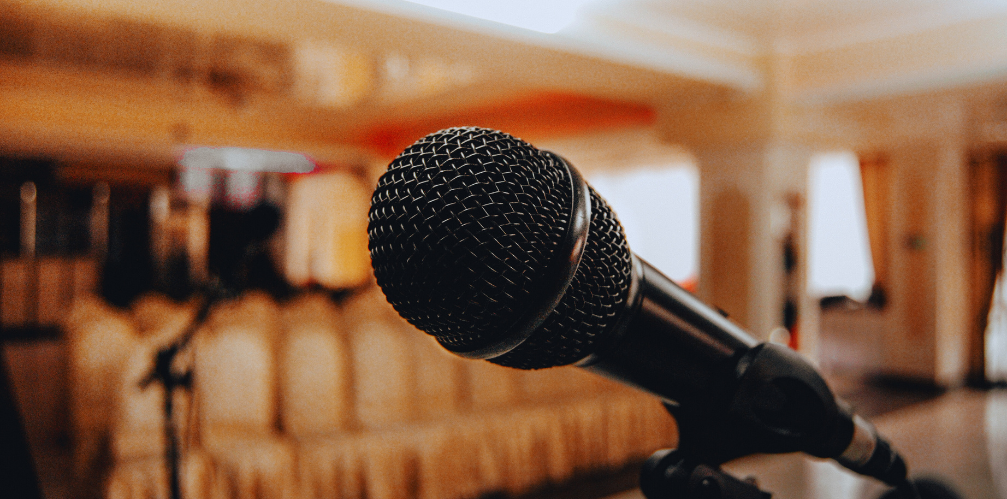
It depends on the speaker’s needs. Handheld microphones are versatile, while lapel or headset microphones are better for hands-free presentations. For panel discussions, table microphones work well.
3. How can I ensure good sound quality in my venue?
Invest in high-quality microphones, speakers, and mixers. Test the sound system before the event, and position speakers strategically to ensure even sound distribution across the room.
4. Why is lighting important for conferences?
Lighting sets the mood, keeps attendees focused, and ensures speakers are clearly visible. Proper lighting enhances the overall professionalism and impact of the event.
5. Should I hire a professional AV team for my conference?
If your conference involves complex equipment or a large venue, hiring a professional AV team can save time and ensure everything runs smoothly. They have the expertise to handle setup, troubleshooting, and on-site support.
Conclusion
When it comes to organizing a successful conference, screens, sound, and lighting are not just technical details—they’re essential components that shape the overall experience. By choosing the right equipment, testing everything in advance, and paying attention to the needs of your audience, you can create a seamless, professional, and engaging event.
Remember to consider the size of your venue, the type of content you’ll be presenting, and the expectations of your attendees. Whether you’re hosting a small seminar or a large-scale conference, investing in high-quality equipment will ensure your message is delivered effectively and leaves a lasting impression.
With the right planning and attention to detail, your conference can stand out as a well-executed and memorable event. Take the time to choose the right tools, and you’ll set yourself up for success.
اترك تعليقاً